
Introduction
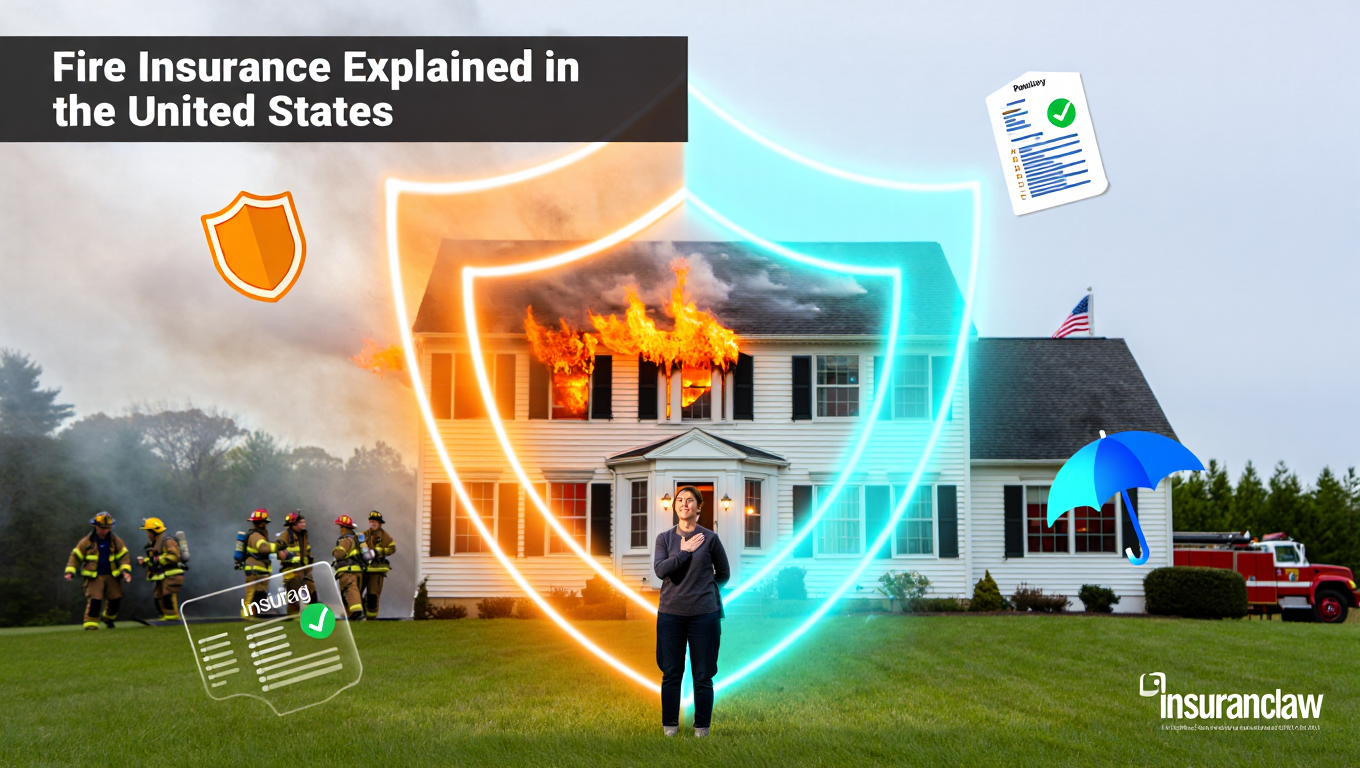
Imagine waking up to the devastating news that a fire has damaged or destroyed your home or business. In just a few hours, years of hard work and investment can disappear. While you cannot always prevent disasters, you can prepare for them. This is where fire insurance becomes essential.
Fire incidents can happen unexpectedly—due to electrical faults, natural causes, accidents, or even human error. Without proper protection, the financial impact can be overwhelming. With the right coverage, however, you can recover faster and rebuild with confidence.
In this guide, you’ll learn everything you need to know about fire insurance, including how it works, the different types, its benefits, and how to choose the right policy for your needs. Whether you’re a homeowner, renter, or business owner, understanding this coverage is a smart step toward financial security.
Table of Contents
Overview of Fire Insurance
Fire insurance is a type of property insurance that provides financial protection against losses or damages caused by fire and related hazards.
When you purchase a fire insurance policy, the insurer agrees to compensate you for damage to your property caused by fire, explosions, lightning, and sometimes other related risks, depending on your policy.
Purpose of Fire Insurance
The primary goal of fire insurance is to:
- Protect your financial investment
- Cover repair or rebuilding costs
- Reduce the financial burden after a disaster
- Offer peace of mind
In simple terms, fire insurance ensures that you don’t have to bear the full cost of recovery alone.
Types of Fire Insurance
Fire insurance policies can vary depending on the level of coverage and the type of property being insured. Here are the most common types:
Standard Fire Insurance Policy
A standard fire insurance policy is the most common and basic form of coverage.
What it covers:
- Fire damage
- Lightning strikes
- Explosions
- Damage caused by fire-fighting efforts (e.g., water damage from extinguishing fire)
Example:
If a kitchen fire damages your home, this policy will cover repair or rebuilding costs up to your insured amount.
Comprehensive Fire Insurance Policy
A comprehensive policy offers broader protection than a standard one.
What it includes:
- All risks covered in standard fire insurance
- Additional perils like:
- Storms
- Floods (in some cases)
- Earthquakes (depending on policy)
- Riots or civil unrest (if included)
Example:
If your home is damaged by fire and also affected by water used during firefighting, a comprehensive policy can cover both types of damage.
Valued Fire Insurance Policy
This type of policy is based on a predetermined value agreed upon by you and the insurer.
Key features:
- Fixed compensation amount
- No depreciation considered at the time of claim
- Commonly used for antique or high-value items
Example:
If you insure a valuable artwork for $10,000, you will receive that amount in case of a covered loss, regardless of its market value at the time of damage.
How Fire Insurance Works
Understanding how fire insurance works can help you make better decisions. Here’s a simple step-by-step breakdown:
Step 1: Choosing a Policy
You select a fire insurance policy based on:
- Property type
- Coverage needs
- Budget
Step 2: Paying Premiums
You pay a premium (monthly, quarterly, or annually) to keep your policy active.
Step 3: Coverage Activation
Once your policy is active, your property is protected against covered risks.
Step 4: Fire Damage Occurs
If a fire damages your property, you must:
- Take immediate action to minimize damage
- Notify your insurer as soon as possible
Step 5: Filing a Claim
You submit a claim with:
- Proof of damage (photos, videos)
- Fire department report (if applicable)
- Proof of ownership
Step 6: Assessment by Insurance Company
The insurer sends an adjuster to:
- Inspect the damage
- Evaluate the loss
- Determine compensation
Step 7: Compensation Payment
If your claim is approved, you receive compensation to repair or replace your damaged property.
Benefits of Fire Insurance
Key Advantages
Fire insurance offers several important benefits:
- Financial Protection: Covers repair and replacement costs
- Peace of Mind: Reduces stress during emergencies
- Business Continuity: Helps businesses recover quickly
- Coverage Flexibility: Various plans to suit your needs
- Legal Protection: Some policies include liability coverage
Long-Term Value
Over time, fire insurance provides:
- Stability during unforeseen disasters
- Protection for your assets and investments
- Support in rebuilding your financial life
In many cases, the small premium you pay today can save you from huge financial losses tomorrow.
Potential Risks or Drawbacks
While fire insurance is highly beneficial, there are some limitations to be aware of:
- Exclusions: Not all types of fires or damages are covered
- Policy Conditions: You must follow specific terms to be eligible for claims
- Premium Costs: Higher coverage can mean higher premiums
- Delayed Claims: Processing time can sometimes be lengthy
- Underinsurance Risk: If you underestimate your property value, compensation may not fully cover losses
Understanding these limitations helps you choose the right policy and avoid surprises.
How to Choose the Right Fire Insurance
Choosing the right fire insurance policy requires careful consideration.
Factors to Consider
Before selecting a policy, consider:
- Property Value: Ensure full coverage of your assets
- Coverage Type: Basic vs. comprehensive
- Policy Exclusions: Understand what is not covered
- Premium Amount: Balance cost and coverage
- Claim Process: Choose insurers with smooth claim handling
- Reputation of the Insurer: Look for reliable companies
Expert Tips
Here are some professional tips to help you make the best decision:
- Always read the policy details carefully
- Compare multiple insurance providers
- Choose sufficient coverage (avoid underinsurance)
- Consider add-ons for extra protection
- Keep an updated inventory of your belongings
Common Mistakes to Avoid
Many people make mistakes when buying fire insurance. Avoid these:
- Choosing the cheapest policy without checking coverage
- Ignoring exclusions and limitations
- Underestimating property value
- Not updating the policy after renovations or purchases
- Delaying claim filing after a fire incident
- Failing to keep proper documentation
Avoiding these mistakes ensures smoother claims and better protection.
Tips for Getting the Best Results
To maximize the benefits of your fire insurance, follow these tips:
- Install fire alarms and safety equipment
- Maintain electrical systems regularly
- Store important documents safely
- Review your policy annually
- Increase coverage when your property value increases
- Stay informed about policy updates and changes
Being proactive can reduce risks and improve your insurance experience.
Frequently Asked Questions (FAQ)
1. What does fire insurance cover?
Fire insurance typically covers damage caused by fire, lightning, explosions, and sometimes related risks like smoke and water damage from firefighting.
2. Is fire insurance mandatory?
Fire insurance is not always mandatory, but it is highly recommended. Some lenders may require it if you have a mortgage.
3. How is the premium calculated?
Premiums are based on factors like:
- Property value
- Location
- Risk level
- Coverage type
- Safety measures in place
4. Can I claim fire insurance for partial damage?
Yes, you can file a claim for partial damage. The insurer will compensate you based on the extent of the loss.
5. What should I do immediately after a fire?
- Ensure safety first
- Contact emergency services
- Inform your insurance company
- Document the damage
- File your claim as soon as possible
6. Does fire insurance cover natural disasters?
Some policies include natural disasters like storms or earthquakes, but this depends on the specific plan. Always check your policy details.
7. How long does it take to receive compensation?
The time varies depending on the insurer and complexity of the claim, but it usually takes a few weeks after approval.
Conclusion
Fire can strike unexpectedly, but with the right preparation, you can protect yourself from financial disaster. Fire insurance acts as a safety net, helping you recover and rebuild when things go wrong.
By understanding how it works, choosing the right coverage, and avoiding common mistakes, you can ensure that your property and financial future are well protected.
If you haven’t already, now is the time to evaluate your insurance needs. Taking action today can save you from significant stress and loss tomorrow.
Stay protected, stay prepared, and make smart decisions—because your peace of mind is worth it.
For More Authentic Article Visit: insuranclaw